Rental business: dynamics of demand for rental housing in Russia and abroad, level of profitability and risks.
The demand for rental housing in the luxury real estate market is noticeably affected by seasonality. The most active time of the year is July-October, while the lowest demand months are January-May, according to experts from Kalinka Group.
The most common tenants are businessmen, top managers of large companies, and expats.
Typical reasons for renting include:
• A family moving to the city from a private house because their children need to attend school.
• Clients who have purchased a property in the primary market and are waiting for the construction and renovation of their new home to be completed. Rental terms in this case usually range from one to two years.
• Companies renting housing for their employees.
• A man renting an apartment for a girlfriend.
If we look at the dynamics over the past five years, the rental market for luxury housing was significantly influenced by the 2014 crisis. A large number of foreigners left the country, and companies had been paying their rent in foreign currency for many years. In dollar terms, prices fell by exactly half.
Since then, the rental market is no longer dependent on currency fluctuations. It has completely detached itself from being fixed in dollars. Today, even large foreign corporations only pay for apartments for their employees in rubles. Rental rates are comparable to prices from two years ago.
Even in the luxury real estate market, a tenant faces certain risks.
The rented apartment may be mortgaged with a bank. In this case, the tenant can be evicted at any time.
The lease agreement may be drawn up to the disadvantage of the tenant, which can cause problems with the landlord upon eviction. For example, unwillingness to return the security deposit.
The apartment may already be rented out, and the new tenant may be asked to "resign" it in sublease. The owner may not be aware of what is happening.
The annual turnover of the rental market in Moscow alone is about 10 billion rubles, but since the market is mainly in the shadow economy, it is difficult to provide accurate figures.
Financial indicators largely depend on the quality of the object itself. When purchasing an apartment in a liquid project at the construction stage, in addition to future rental income, you can receive an investment profit of 20-30%.
The average payback period for an apartment is 20-25 years or 4% annual return, but this figure may vary. Apartments with new renovations and furniture are rented at a higher price, therefore, their profitability is higher. In some cases, the payback period may be around 15 years.
For comparison: the average return on street retail properties in Moscow in the past year was about 10-12% per annum. Only 1-0.5 percentage points less could be earned on offices.
But the profitability is also highly differentiated and largely depends on the quality of the object.
Russian tenants who rent housing abroad for a long term are mainly employees of foreign companies and families with children who come for education. Clients of seasonal rental housing abroad are more diverse in terms of social characteristics: groups of young people on vacation, families with children who do not want to stay in small hotel rooms, they value spaciousness, the ability to cook and privacy, and traveling couples.
Experts at Kalinka Group do not observe seasonality in demand in this segment. Typically, clients start looking for rental property for the summer in winter. And vice versa, they book property in winter resorts in advance: European ski resorts or exotic countries.
The difficulties of renting abroad are associated with unfamiliarity with the foreign market, local peculiarities, mentality, and legislation.
As in Russia, a deposit can be made, but the property may be occupied, it may not exist physically at all, the owner may not return the deposit or withhold a larger portion of it. According to analysts at Kalinka Group, 2018 was characterized by a significant growth in demand for investments in foreign real estate. At the same time, 16% of the total number of buyers planned to rent out the properties.
The return on investment in high-quality luxury foreign real estate ranges from 2 to 6% per annum on average. The exact numbers depend on the specific country, the quality of the real estate, the construction stage, the location, design, and other parameters.
Under-construction properties increase in price by 20-30% by the end of construction (usually 2-3 years), as is the case in Cyprus.
Commercial real estate in Europe also yields an average of 4-6% (for example, in Germany, it is on average 4-5%). It all depends on the property, sometimes a retail space can yield over 7-8% per annum in currency, but this is not a typical case.
"The distinguishing feature of the European market from the Russian one is that in Europe, according to standard contracts, any current repairs and almost the entire complex of issues related to servicing the rented premises, lies not on the tenant, but on the owner of the premises," comments Ekaterina Rumyantseva, Chairman of the Board of Directors of Kalinka Group.




Read also

Екатерина Румянцева выступила на «Инсфорум 25»
15–16 ноября 2025 года в Москве, на площадке Main Stage прошел Инсфорум 25 —событие для страховых агентов и риелторов.
- 73

Рекорд Kalinka Middle East: В Дубае арендовали пентхаус за 5,2 млн AED год
Kalinka Middle East заключила сделку на аренду пентхауса с пятью спальнями в Mr. C Residences на сумму 5 200 000 AED в год
- 181
- 2 min
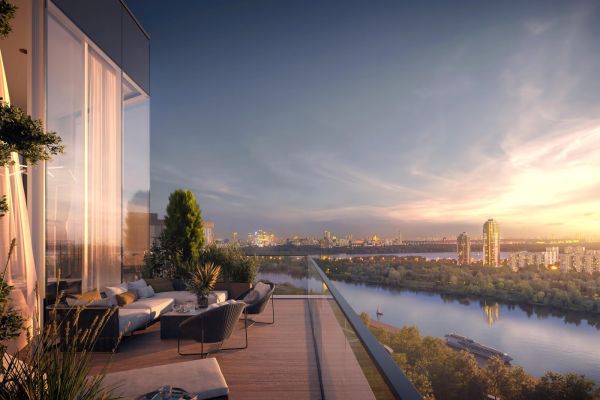
Kalinka Russia – партнер по реализации «Клубного города на реке Primavera»
Kalinka Russia заключила договор на ко-эксклюзивную реализацию премиального проекта «Клубный город на реке Primavera», который расположен в самом живописном месте зелёного полуострова Покровское-Стрешнево на излучине Москвы-реки в экологически чистом районе на северо-западе Москвы.
- 379
- 3.5 min
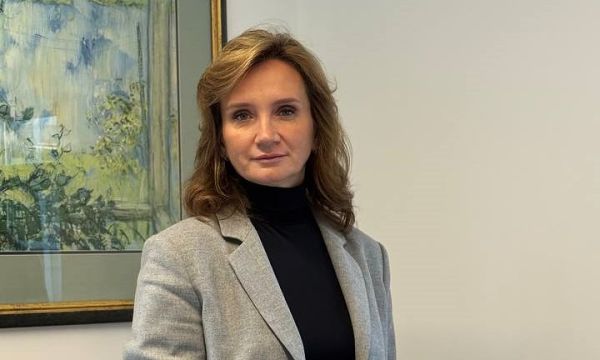
Кадровые изменения в Kalinka Russia
В Kalinka Russia произошел ряд кадровых изменений в руководстве компании.
- 859
- 1.5 min
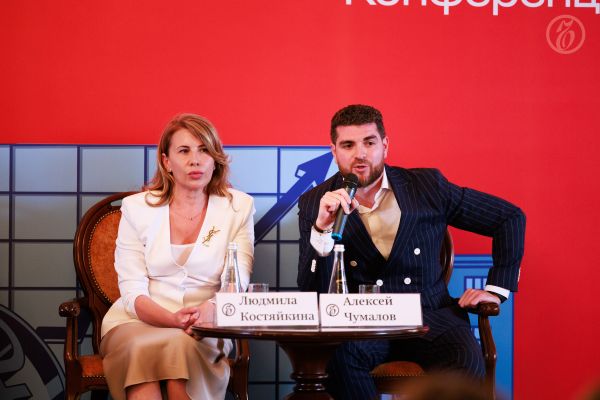
Элитный рынок без границ: что выбирают состоятельные покупатели?
Алексей Чумалов выступил спикером на конференции Коммерсантъ.
- 810
- 0.5 min
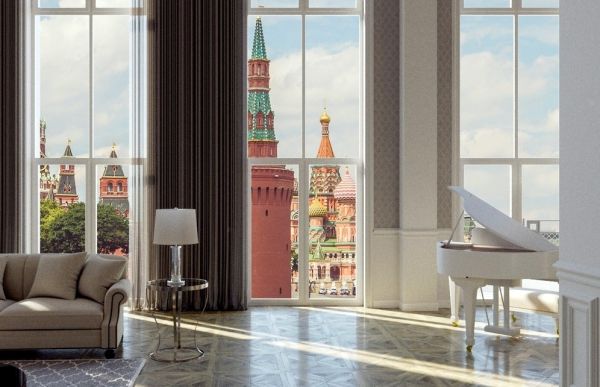
Стоимость «трофейной» недвижимости доходит до 9 млрд рублей
Доля таких проектов не превышает 5% от общего объема предложения на рынке Москвы.
- 1052
- 1.5 min
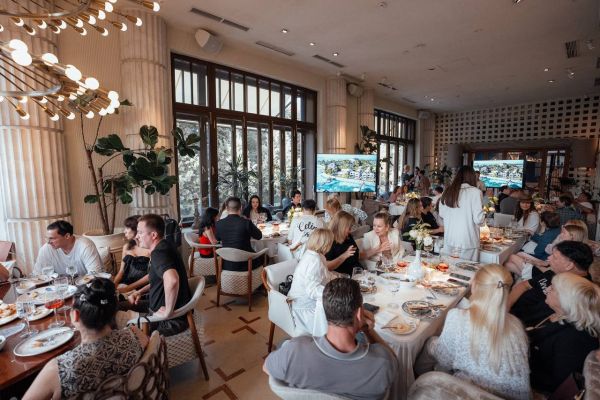
Бизнес-ужин Kalinka Private Club
3 июля прошла закрытая встреча, в центре вечера был проект SHA Emirates.
- 1127
- 0.5 min
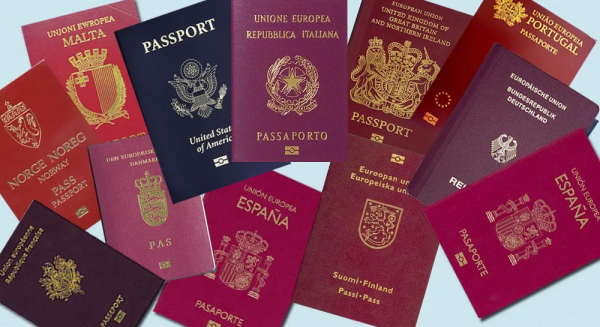
Иммиграционные программы
Экосистема Kalinka запустила новое направление – иммиграционные программы.
- 1531
- 0.5 min
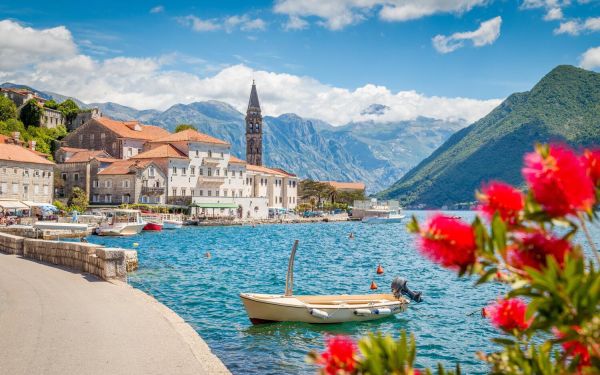
During the year, Russians' demand for housing increased by 25% in four directions
According to Kalinka, the growth in demand for foreign real estate is noted in Thailand, Bali, Montenegro and Georgia.
- 1649
- 2 min

The magic of Kalinka's fragrance at home!
This year, the Kalinka Ecosystem team approached the choice of New Year's gifts for partners and customers with special trepidation.
- 1709
- 1 min
Stay up to date with the latest news
We promise to send only interesting and important articles.